Handmade Acne Soap Benefits: The Best Handmade Soaps to Fight Acne

When it comes to caring for our skin, especially when battling acne, there’s something deeply comforting about turning to nature’s gentle touch. Handmade soaps have a way of wrapping us in warmth and simplicity, reminding us of slower days and mindful routines. They’re not just cleansing bars; they’re little bundles of care crafted with intention. Today, let’s wander through the world of handmade soaps and discover how they can be our allies in the fight against acne.
The Warm Embrace of Handmade Acne Soap Benefits
Handmade soaps are more than just pretty bars sitting on a bathroom shelf. They carry the essence of natural ingredients, lovingly blended to nurture our skin. Unlike commercial soaps, which often contain harsh chemicals and synthetic fragrances, handmade soaps use plant-based oils, herbs, and essential oils that soothe and heal.
One of the biggest benefits of handmade acne soap is its ability to cleanse without stripping the skin of its natural oils. Acne-prone skin can be tricky - it needs to be clean but not dry or irritated. Handmade soaps strike this delicate balance beautifully. Ingredients like tea tree oil, activated charcoal, and neem are often found in these soaps, each bringing their own acne-fighting magic.
Imagine a soap that not only cleanses but also calms redness, reduces inflammation, and gently exfoliates dead skin cells. That’s the kind of care handmade soaps offer. Plus, they’re often free from palm oil, parabens, and sulfates, making them a sustainable choice for those who want to tread lightly on the earth.
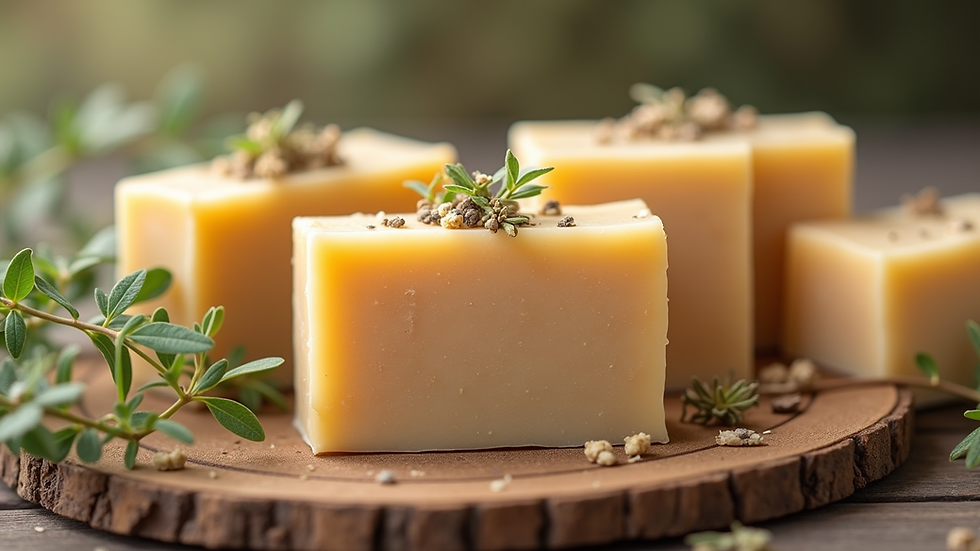
Handmade soaps infused with natural herbs and oils offer gentle care for acne-prone skin.
Why Choose Handmade Soaps for Acne?
Choosing handmade soap is like choosing a friend who understands your skin’s needs. These soaps are crafted in small batches, allowing artisans to focus on quality and ingredient integrity. This means you’re less likely to encounter the irritants that can worsen acne.
Handmade soaps often include ingredients that have been used for centuries in traditional skincare. For example:
Tea Tree Oil: Known for its antibacterial properties, it helps reduce acne-causing bacteria.
Activated Charcoal: Draws out impurities and excess oil from pores.
Aloe Vera: Soothes irritated skin and promotes healing.
Honey: A natural humectant that keeps skin hydrated without clogging pores.
Using handmade soap can also be a sensory delight. The subtle scents of lavender, rosemary, or citrus can turn your daily routine into a moment of calm and joy. It’s self-care that feels like a gentle hug.
Which Type of Soap Is Best for Acne?
Not all handmade soaps are created equal when it comes to acne. The best soaps for acne-prone skin are those that balance cleansing power with gentle care. Here’s what to look for:
Non-Comedogenic Ingredients
Soaps that won’t clog pores are essential. Look for oils like jojoba, grapeseed, or sunflower oil, which mimic the skin’s natural oils without causing breakouts.
Antibacterial and Anti-Inflammatory Components
Ingredients such as tea tree oil, neem, and calendula help fight bacteria and reduce inflammation.
Exfoliating Elements
Gentle exfoliants like oatmeal or finely ground almonds can help remove dead skin cells without irritation.
Moisturizing Properties
Acne treatments can dry out skin, so soaps with shea butter or cocoa butter help maintain moisture balance.
Free from Harsh Chemicals
Avoid soaps with synthetic fragrances, sulfates, and parabens, which can aggravate sensitive skin.
By choosing a soap that ticks these boxes, you’re giving your skin a fighting chance to heal and glow.

Handmade soap with natural exfoliants gently cleanses and renews acne-prone skin.
How to Incorporate Handmade Soap into Your Acne Care Routine
Using the right soap is just the beginning. To truly benefit from handmade acne soap, it’s important to use it mindfully. Here’s a simple routine to get the most out of your soap:
Start with Clean Hands
Always wash your hands before touching your face to avoid transferring bacteria.
Use Lukewarm Water
Hot water can strip your skin’s natural oils, while cold water might not cleanse effectively.
Lather Gently
Rub the soap between your hands to create a creamy lather. Avoid scrubbing your face harshly.
Massage in Circular Motions
This helps stimulate circulation and gently exfoliates without irritation.
Rinse Thoroughly
Make sure no soap residue remains, as it can clog pores.
Pat Dry with a Soft Towel
Avoid rubbing your skin dry to prevent irritation.
Follow with a Light Moisturizer
Handmade soaps cleanse, but your skin still needs hydration.
Consistency is key. Using handmade soap daily, morning and night, can gradually improve your skin’s texture and clarity.
Why We Love the Best Handmade Soap for Acne
If you’re on the lookout for the best handmade soap for acne, you’ll find that it’s not just about the ingredients but the story behind each bar. These soaps are crafted with care, often using sustainably sourced ingredients that honor the earth and our skin alike.
What makes these soaps stand out is their ability to blend tradition with modern skincare needs. They offer a gentle yet effective cleanse, helping to reduce breakouts while nurturing the skin’s natural barrier. Plus, they invite us to slow down, breathe, and enjoy the simple pleasure of a mindful skincare ritual.
Choosing handmade soap is a small act of kindness towards yourself and the planet. It’s a reminder that beauty doesn’t have to be complicated or harsh. Sometimes, the best solutions come wrapped in simplicity and love.
There’s a quiet joy in finding a soap that feels like it was made just for you. As we embrace handmade acne soap benefits, we’re not just caring for our skin - we’re nurturing a connection to nature, tradition, and ourselves. So, why not treat your skin to a little handcrafted magic? Your face will thank you, and your soul might just smile a little wider.
Happy cleansing!


Comments